
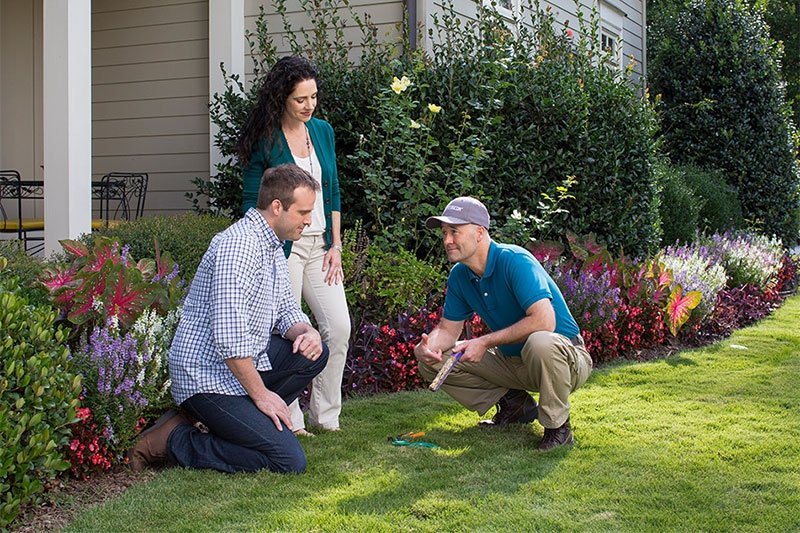
How a small, city-by-city project became California’s most practical guide to keeping homes pest-free.
Quick Take
What started as a handful of DIY checklists and local service pages grew into a statewide knowledge hub with thousands of monthly readers, structured data that Google loves, and a reputation for clear, no-nonsense guidance. The engine: obsessive organization, local credibility, and a publishing rhythm that never missed a week.
The Spark
In late 2023, the founder of PestControlCalifornia.us kept hearing the same story from neighbors and contractors: “I just need straight answers and a fair price.” Search results were either too generic or too salesy. So a new promise took shape:
“Plain-English pest guidance for your city—what it costs, what works, and who to call.”
The first pages were simple: San Diego and Modesto service areas, a “Pestopedia” entry for Argentine ants, and a couple of DIY guides. But the voice landed—practical, local, and calm.
The Struggle
Early growth wasn’t smooth. The site wrestled with three challenges:
- City Content at Scale – It’s hard to write local without sounding copied.
- Trust Signals – New domain, no brand equity.
- Reader Intent – Some visitors wanted DIY; others wanted a pro—now.
Progress came from small fixes: geo-specific examples (“Springtail hotspots after the first autumn rain in Chula Vista”), structured “pricing snapshots,” and service-area pages that felt like a neighbor wrote them.
The Turning Point
Three decisions changed everything:
- The Service-Area Blueprint
Every city page got the same high-clarity pattern:
Our [City] Service Area → Neighborhoods → Nearby Communities → “Not sure if you’re in range?”
Readers knew where they stood within seconds. - Schema Everywhere
Every page shipped with the right JSON-LD—LocalBusiness, FAQPage, Service, Product/Review for labeled products—plus clean NAP blocks on city pages. Google rewarded the consistency with rich results and better local pairing. - The Useful Trio
Each city hub linked to three dependable resources:- Pestopedia (species facts in plain language)
- DIY Guides (safe home steps, when to stop DIY)
- Best Pest Control Companies (City, 2025 Update)—transparent scoring with clear criteria
Readers could learn, try, or hire—without feeling pushed.
The Playbook That Worked
PestControlCalifornia.us developed a rhythm:
- Weekly Cadence: 2 posts/week—one statewide guide, one city asset.
- Consistent Design: Skimmable tables, cost ranges, “What to expect” timelines, and “When to call a pro” boxes.
- Evidence First: Product reviews always linked labels/SDS, with a standardized “IPM block.”
- Local Clarity: Each city page listed neighborhoods, ZIPs, and bordering communities; each had a tiny “Seasonal watch” note (ants after first rains, yellowjackets late summer, roof rats in cooler months).
- Reader-first CTAs: Soft invites—“Get a photo-documented inspection,” “Ask for a written warranty,” “Compare 3 quotes.”
The site didn’t try to be clever. It tried to be useful.
The Results That Mattered
Within a year, a few signals stood out:
- Rankings: City pages began landing on page one for “pest control + city,” while “Best Companies in [City]” posts captured comparison intent.
- Engagement: Time-on-page spiked on product reviews and cost explainers. The Pricing Snapshot (2025) format—$ ranges with “what drives cost”—reduced bounce rates.
- Referrals: Local service partners started sharing links to seasonal checklists (“Spring Ant Playbook,” “Rodent-Proofing Basics”) because the advice helped their techs, too.
Voices from the Inbox
A few messages shaped the site’s tone:
“Your San Jose page listed my neighborhood by name. That detail made me trust the rest.”
“Thanks for saying when not to use neem oil around pets. That honesty kept me reading.”
“The ‘ask for a photo-documented inspection’ tip saved me from guesswork quotes.”
Behind the Scenes
The editorial team worked like engineers:
- Topic Clusters: “Ants,” “Rodents,” “Spiders,” “Lawn/Garden,” “Product Reviews,” “City Hubs.”
- Reusable Blocks: Inspection checklists, warranty tips, “Expect this timeline,” IPM explainer.
- Internal Links with Purpose: Every page offered a next step: Learn more, Try safely, or Hire locally.
What They’d Do Again
- Write for people first; let SEO follow structure.
- Standardize formats so new cities and products are fast to publish.
- Say the quiet parts (limits of DIY; when to call a licensed pro).
- Ship on schedule—authority grows from consistent helpfulness.
What’s Next
2026 will push deeper into seasonal alerts, video walk-throughs, and bilingual summaries for high-population languages in California. The goal is the same as day one:
“Help Californians solve real problems, city by city, house by house.”